.png)
Fence Installation Brooklyn Step by Step Guide for Homes and Businesses

A good fence in Brooklyn does more than mark a boundary. It protects a brownstone backyard, gives a storefront cleaner edges, keeps pets safer, adds privacy on a tight lot, and can make a property feel more finished from the street.
Brooklyn properties come with their own fencing realities. Lots are close together. Side yards can be narrow. Older retaining walls may sit exactly where posts need to go. Many blocks have a clear visual rhythm, from brick row houses and iron railings to wood garden fences and metal security gates. That makes Fence Installation Brooklyn a project that rewards careful planning before the first post hole is dug.
This guide walks through the process from early planning to maintenance, with practical tips for homes, apartment buildings, small businesses, and mixed-use properties.
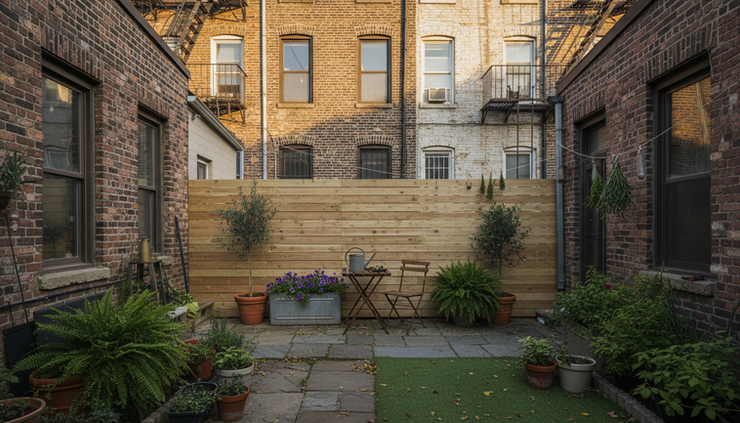
Why fencing matters for Brooklyn homes and businesses
In a dense borough, fencing has to work hard. A few feet of separation can change how a yard, driveway, storefront, or delivery area feels and functions.
For homeowners, a fence can help with:
Privacy Closely spaced homes often mean direct views from neighboring windows, stoops, and sidewalks.
Pet and child safety A secure yard or side passage makes outdoor space easier to use.
Property definition Clear boundaries reduce confusion between neighbors, especially on shared alleys or garden edges.
Curb appeal The right fence can support the style of a brownstone, townhouse, detached home, or condo garden.
For businesses, fencing can support:
Security A fence can help protect outdoor equipment, loading zones, storage areas, parking spaces, and rear entrances.
Customer flow Railings and low fences can guide foot traffic around patios, walk-up windows, and service areas.
Clean presentation A neat perimeter gives a commercial property a more cared-for appearance.
Code and liability awareness Fencing around certain areas may help limit unsafe access, though specific requirements vary by property use.
The best fence balances security, appearance, budget, and local rules. A fence that is strong but out of place can frustrate neighbors. A fence that looks beautiful but ignores grade changes or wind exposure may not last.
Start with planning before choosing a fence
The planning stage saves time, money, and arguments. In Brooklyn, skipping this step can lead to posts on the wrong side of a property line, conflicts with neighbors, or a fence that needs changes after installation.
Confirm your property lines
Do not rely only on an old fence, a hedge, or a neighbor’s memory. Older Brooklyn properties often have boundaries that are less obvious than they look.
Useful steps include:
Reviewing your deed, survey, or closing documents
Looking for existing markers, walls, or official plans
Hiring a licensed surveyor if the boundary is unclear
Talking with neighbors before work begins
If a fence will sit near a shared line, clear communication can prevent problems. A short conversation before installation is much easier than a dispute after concrete has cured.
Check local rules and approvals
Brooklyn falls under New York City rules, and fence requirements can vary based on property type, height, location, zoning, landmark status, and whether the fence is in a front yard, side yard, rear yard, or commercial area.
Before building, check with the appropriate city agencies or a qualified local contractor about:
Maximum fence height
Permits or approvals
Front yard visibility rules
Landmark district limits
Corner lot visibility concerns
Building or condo association rules
Shared driveway or easement restrictions
If your property is in a historic district, appearance may matter as much as height. A simple replacement on one block might need review on another.
Decide what the fence needs to do
A fence designed for privacy is different from one designed for security. A decorative garden fence is different from a commercial chain-link enclosure.
Ask these questions early:
Do you need full privacy or partial screening?
Is the fence mainly for security?
Will it contain pets?
Should it reduce noise or wind?
Does it need a gate wide enough for bikes, trash bins, deliveries, or equipment?
Will customers or tenants see it every day?
How much maintenance are you willing to do?
Clear goals make material choices easier.

Choose the right fence material for the property
Brooklyn has no single “best” fence type. The right choice depends on location, style, exposure, maintenance, and cost.
Fence type | Best for | What to consider |
Wood | Backyards, gardens, privacy screens | Warm look, but needs sealing or staining |
Vinyl | Low-maintenance residential fencing | Easy to clean, but style choices can feel limited |
Aluminum | Front yards, railings, decorative boundaries | Resists rust, but offers less privacy |
Steel or wrought iron | Classic fronts, security, historic character | Strong and attractive, but may need rust prevention |
Chain link | Commercial yards, side lots, equipment areas | Practical and cost-effective, but less private |
Composite | Modern yards, long-term durability | Higher upfront cost, low upkeep |
Masonry with fencing | High-end privacy, retaining areas | Heavy, often more complex, may need professional design |
Wood fences feel natural but need care
Wood suits many Brooklyn backyards because it softens hard surfaces like brick, concrete, and pavers. Cedar and pressure-treated lumber are common options. Horizontal slats give a modern look, while vertical boards feel more traditional.
Wood works well when privacy matters, but it needs space to breathe. If boards sit against wet soil or dense plantings, they can rot faster.
Metal fences match many Brooklyn streetscapes
Iron, steel, and aluminum fences often fit front yards, stoops, and older homes. They provide a clear boundary without blocking the view of the building. For businesses, metal can offer a strong perimeter while keeping sightlines open.
Steel and iron need protection from rust, especially near areas exposed to road salt, moisture, or poor drainage. Aluminum is lighter and resists corrosion, but it may not provide the same strength for high-security needs.
Chain link is practical when function leads
Chain link fencing is common for commercial properties, parking areas, schoolyards, equipment storage, and some side or rear yards. It is not the most private option unless paired with privacy slats or screening, but it is durable and often faster to install.
For a cleaner look, consider black vinyl-coated chain link instead of plain galvanized wire.
Match the neighborhood without copying it exactly
A fence should feel like it belongs on the block. That does not mean every fence must be traditional. A modern slat fence can work behind a brick townhouse. A classic metal railing can sharpen the front of a newer building.
Look at:
Fence heights on nearby properties
Common colors and materials
How much of the building front remains visible
Whether the block has landmark or historic character
How neighboring yards handle privacy
When in doubt, choose simple lines, durable materials, and colors that work with brick, stone, siding, or storefront finishes.
Follow a step-by-step fence installation process
A careful installation is what separates a fence that lasts from one that leans after a few seasons. The exact process changes by material, but most projects follow the same basic path.
Step 1. Measure the area and create a layout
Measure the full fence line, including corners, gates, grade changes, and obstacles. Mark where each post will go. Keep gate placement practical. A gate should open without hitting steps, trash cans, raised beds, parked bikes, or delivery paths.
Use stakes and string to create a straight visual line. On uneven ground, mark the high and low points so you can decide whether the fence will step down in sections or follow the slope.
Step 2. Call before digging
Before digging post holes, contact the local utility marking service. Underground gas, electric, water, sewer, and communication lines can run through unexpected spots, especially on older city lots.
This step protects people, property, and the project schedule.
Step 3. Gather materials and tools
Materials usually include:
Fence panels, pickets, rails, mesh, or metal sections
Posts sized for the fence type and height
Gravel for drainage at the bottom of post holes
Concrete mix for setting posts
Fasteners rated for outdoor use
Gate hardware, hinges, and latch
Post caps or protective finishes
Tools often include:
Tape measure
Level
Mason line
Post hole digger or auger
Shovel
Drill or driver
Circular saw or handsaw for wood
Wrench set for metal fencing
Wheelbarrow or mixing tub
Safety glasses and gloves
For tight Brooklyn spaces, tool access matters. A full-size auger may not fit through a narrow passage. In some backyards, materials may need to move through the house or down a shared alley, so plan delivery carefully.

Step 4. Set the corner and end posts first
Corner posts, end posts, and gate posts carry the most stress. Set these first and make sure they are plumb. Use gravel at the bottom of each hole for drainage, then set posts in concrete according to the fence system and site conditions.
Do not rush this stage. If the first posts are off, the whole fence line will show it.
Step 5. Run string lines and set the remaining posts
After the main posts are placed, run a tight string line to keep the fence straight. Set remaining posts at the spacing required by your materials. Standard panel systems have fixed spacing, while custom wood fences may allow more flexibility.
Check each post from two sides with a level. Keep the tops consistent unless the design steps with the slope.
Step 6. Attach rails, panels, or fabric
Once posts are ready, attach the fence sections. For wood fencing, rails usually go on first, followed by pickets or boards. For metal panels, brackets or welded sections connect to posts. For chain link, top rails, tension bands, mesh, and ties work together to create a tight enclosure.
Keep fasteners consistent. Uneven screw lines or mismatched brackets can make even a sturdy fence look sloppy.
Step 7. Install gates and test movement
Gates need extra attention because they move every day. Use strong posts, quality hinges, and a latch that suits the property. A gate for a family backyard has different needs than a commercial gate used for deliveries.
Check:
Swing direction
Clearance at the ground
Latch alignment
Self-closing needs, if any
Lock or access control placement
Room for snow, leaves, or pavement changes
Step 8. Finish, clean up, and inspect
After installation, cut any rough edges, add post caps, touch up scratches, stain or seal wood if needed, and remove debris. Walk the full fence line and look for weak spots, sharp edges, loose boards, gaps under the fence, and drainage problems.
A finished fence should feel stable, open and close smoothly, and sit cleanly in the space.
Plan for common Brooklyn installation challenges
Fence installation in Brooklyn often comes with surprises. Many are manageable if you expect them.
Tight access can slow the job
Some yards only connect through a narrow hallway, basement, or shared alley. Long posts and panels may not fit easily.
Ways to handle it:
Order materials in manageable lengths
Use modular panels where possible
Confirm access before delivery
Protect floors and walls if materials pass through an interior space
Old concrete and hidden footings get in the way
Urban lots often have old slabs, buried bricks, abandoned post bases, or leftover masonry below the surface. These can make digging harder.
Possible solutions include:
Adjusting post spacing when allowed by the fence design
Cutting or patching sections of concrete
Using surface-mounted posts only where structurally suitable
Bringing in the right tools for removal
Surface-mounted posts can work in some situations, but they are not right for every fence. Tall privacy fences, windy areas, and gates need stronger support.
Sloped or uneven ground affects the look
Brooklyn yards often slope toward drains, alleys, or rear property lines. A fence can either step down in sections or follow the grade.
A stepped fence looks clean with panels but can leave triangular gaps at the bottom. A racked fence follows the slope more closely but depends on the material.
For pets, gaps matter. Plan bottom clearance before installation, not after.
Neighbor concerns can delay the project
Fencing changes shared views, light, and access. Even when the fence is on your property, a neighbor may care about height, style, or construction timing.
Good practice includes:
Giving advance notice
Keeping work areas clean
Respecting shared access points
Avoiding damage to plants, walls, or paving
Confirming who owns existing fencing before removal
Wind exposure can stress tall fences
A solid privacy fence catches more wind than an open metal fence. Rooftop yards, corner lots, and open rear areas need extra care.
To reduce problems:
Use properly sized posts
Set posts deep enough for conditions
Choose stronger hardware
Leave small gaps between boards where appropriate
Avoid weak gate posts on wide openings
Maintain your fence so it lasts longer
A fence faces sun, rain, snow, road salt, pets, vines, and everyday wear. Regular maintenance keeps small problems from becoming expensive repairs.
Clean the fence once or twice a year
For most fences, a garden hose, mild soap, and a soft brush are enough. Avoid harsh pressure washing on older wood, soft boards, or painted surfaces. Too much pressure can scar the material.
Vinyl and coated metal usually clean up well with gentle washing. Wood may need more care if mildew or algae grows in shaded areas.
Inspect posts and hardware
Walk the fence line each season and check for:
Loose screws or nails
Leaning posts
Wobbly gates
Rust at hinges or brackets
Cracked boards
Soil buildup around wood posts
Gaps under the fence
Early repairs are usually simple. A loose hinge today can become a sagging gate later.
Protect wood from moisture
Wood fencing lasts longer when water can drain away. Keep mulch, soil, and leaves from piling against the boards. Trim plants so air can move around the fence.
Stain or seal wood based on the product used and the exposure it gets. Sunny fences may fade faster. Shaded fences may hold moisture longer.
Watch for rust on metal fencing
Metal fences should be checked for scratches, chips, and rust spots. Clean affected areas, then use the right primer and paint for the metal type. Pay close attention to welds, joints, and lower sections near sidewalks where salt and water collect.
Keep gates aligned
Gates work harder than any other part of the fence. If a gate starts dragging, do not force it for weeks. Adjust hinges, tighten hardware, or correct latch alignment before the frame twists or the post loosens.

Know when to hire a professional
Some fencing projects are manageable for experienced DIYers, especially small garden sections on open ground. Many Brooklyn projects are better suited for a professional installer because of space limits, code questions, concrete work, masonry, gates, or commercial security needs.
Professional help makes sense when:
The fence is tall or heavy
The property line is unclear
The site has old concrete or retaining walls
The fence includes wide gates
The property is commercial or mixed-use
The block has landmark restrictions
The ground is sloped or unstable
Access is tight and materials are difficult to move
A good installer should discuss layout, materials, drainage, gate function, and local requirements before giving a final plan. The cheapest quote is not always the best value if it skips post depth, hardware quality, or cleanup.
A better fence starts with clear decisions
The strongest fencing projects begin before digging starts. Confirm the property line. Check local rules. Choose a material that fits the building and the block. Plan for access, gates, drainage, and maintenance. Then install each post with care.
For Brooklyn homes and businesses, a fence is part boundary, part design feature, and part daily-use structure. Build it with the property’s real conditions in mind, and it will do its job for years instead of becoming another repair project next season.


Comments